The Best Shower Head Buying Guide (2026)
Prices and picks verified as of September 2026. Independent, reader-supported reviews.


Things to Know Before You Buy
- Flow rate is capped at 2.5 GPM. Federal law limits every shower head sold in the US to 2.5 gallons per minute. The real choice is whether to go lower for water savings or stay at the cap for a firmer feel.
- Spray feel comes from nozzle design, not price. A well-engineered $25 head can feel stronger than a $90 one. Mode count and a fancy finish do not change how the water hits you.
- Handheld or fixed is your first real decision. A handheld wand makes rinsing, cleaning the tub, and washing kids or pets far easier; a fixed head is simpler and feels more like a traditional overhead shower.
- The fitting is universal. Almost every head threads onto a standard 1/2-inch shower arm by hand, so installation takes about five minutes and needs no plumber.
- Material sets the price. Most heads under $50 are chrome-plated ABS plastic, which is light and corrosion-resistant. Solid brass lasts longer but costs several times more, and you rarely need it.
A shower head ranks among the cheapest upgrades that touch your daily life, and one of the easiest to get wrong. The boxes at the hardware store promise a spa-like experience, ten massage modes, and rainfall coverage, but those claims tell you almost nothing about how the head will feel in your bathroom. Buy the wrong one and you get a weak dribble, a finish that clashes with your faucet, or a giant rain head that droops off the arm.
This guide skips the marketing and covers the handful of specs that affect your shower: flow rate, water pressure, spray type, finish, and fit. You will see the main categories of head and how to match one to your home, the mistakes that trip buyers up, and the maintenance that keeps a head spraying like new. No products to sell you here, only the decisions you face before you spend a cent.
The short version: a quality fixed or handheld head running between 1.8 and 2.5 GPM, in a chrome or brushed-nickel finish that matches your existing fixtures, suits most bathrooms. Spend more only for solid-brass durability, a trusted brand, or a feature like filtration or a magnetic dock. The sections below explain why.
What You Need to Know
Two numbers do most of the work when you shop for a shower head, and shoppers mix them up. The first is flow rate, measured in gallons per minute (GPM). This is how much water the head lets through, and since 1994 federal law has capped it at 2.5 GPM for any head sold in the US. Many modern heads run lower, at 1.8 or 2.0 GPM, often carrying an EPA WaterSense label. A lower flow rate saves water and money on your bills, but it gives the head less to work with, so cheap low-flow models can feel thin.
The second number is water pressure, measured in PSI, and it comes from your home's plumbing, not the head. A shower head cannot manufacture pressure your pipes do not supply. A good head instead routes the water it gets through smaller nozzles, so the spray feels firm. This is why two heads with identical 2.5 GPM ratings can feel nothing alike: one spreads the water across a wide, soft face, the other focuses it into stronger streams.
Beyond those, the practical details are the thread fitting and the body material. Nearly every head in the US uses a standard 1/2-inch NPT connection, so it screws straight onto your existing shower arm with no adapter. Bodies run chrome-plated ABS plastic at the budget end and solid brass at the premium end. Learn these four basics, flow, pressure, fit, and material, and you stay ahead of most of the marketing you will read.
Types and Categories
Fixed wall-mount heads are the classic setup: a single head that screws onto the shower arm and points down at you. They are the simplest, cheapest, and most reliable option, with nothing to break and nothing to dock. Handheld heads add a hose and a cradle, letting you pull the head down to rinse, clean the tub, or wash kids and pets. They cost a little more and the hose is one extra part that can eventually leak, but the flexibility wins most households over.
Rainfall heads use a wide face, typically 6 to 12 inches, to drop water straight down in a soft, drenching pattern. They feel luxurious but spread your flow thin, so they need decent water pressure to shine and can underwhelm in low-pressure homes. Dual or combo units pair a fixed rain head with a handheld wand on a diverter, giving you both at once for a higher price and a slightly more involved install.
Then there are the specialty categories. High-pressure heads use restricted nozzles to make weak plumbing feel stronger. Low-flow or water-saving heads run below 2.0 GPM by design to cut usage. Filtered heads add a cartridge to reduce chlorine and minerals, which matters most in hard-water areas. No category wins for everyone; the right one depends on your water and how you shower.
How to Choose
Start with your water pressure, since it shapes the rest of the decision. If your shower already feels strong, you have room for a wide rainfall head or a water-saving low-flow model without losing the experience. If it feels weak, pick a high-pressure head and stay near the 2.5 GPM cap. A $10 hose-bib pressure gauge from any hardware store tells you where you stand; anything below about 40 PSI calls for caution with large rain heads.
Next, decide between handheld and fixed. A handheld earns its keep if you rinse the tub, bathe children or pets, or spot-clean the shower walls. If you mainly want to stand under a stream and rinse off, a fixed head is simpler and one less thing to maintain. This choice narrows the field more than any spec.
Then settle the flow rate and finish. Go with a 1.8 GPM WaterSense head if saving water matters and your pressure is good; stick with 2.5 GPM if your pressure is borderline. For finish, match what is already in your bathroom: chrome with chrome, brushed nickel with brushed nickel. A mismatched finish is the regret you hear about most after a new install.
Finally, weigh material and budget. Under $50, expect chrome-plated ABS plastic, which holds up fine and stays light enough not to droop. Pay up for solid brass only if you want a head that lasts a decade or more, or a brand with a proven warranty behind it. Put spray-mode count near the bottom of your list; you will use one or two settings and ignore the rest.
Common Mistakes to Avoid
The biggest mistake is buying for the spray-mode count. A head advertising ten settings sounds impressive, but you settle on one or two within a week and forget the rest. More modes also mean more internal parts that wear out or clog with scale. A single well-designed spray beats a gimmicky multi-mode head in daily use.
The second is ignoring your water pressure. You fall for a beautiful 10-inch rain head, install it in a low-pressure home, and end up showering under a limp drizzle. Match the head to the water you have, not the bathroom you wish you had. When your pressure is weak, a smaller, focused head serves you better than a wide one.
Other frequent slip-ups: mismatching the finish with your existing faucet and handles, which makes a new bathroom look unplanned; skipping the plumber's tape on the shower-arm threads, which is the number one cause of drips after installation; and overpaying for solid brass when a chrome-plated head would have done the job for a third of the price. None of these costs much to fix, and a few minutes of planning before you buy heads off all three.
Care and Maintenance
When a shower head weakens over time, scale in the nozzles is the culprit. Minerals in your water, especially calcium and magnesium in hard-water areas, build up inside the nozzles and choke the flow. The fix is cheap and takes minutes. Fill a plastic bag with white vinegar, secure it over the head with a rubber band so the nozzles sit submerged, and leave it for two to four hours, or overnight for heavy buildup.
After soaking, run hot water and rub the nozzles. Modern heads use flexible silicone nozzles for this reason: a thumb-rub pops the loosened scale out. For metal-faced heads, an old toothbrush clears the openings. Do this once a month and the spray stays consistent, sparing you the slow decline that fools you into buying a head you do not need.
Two longer-term tips. If the head drips after you shut the water off, the rubber washer or O-ring inside the connection has worn out; a replacement washer costs pennies and screws in by hand. If your home has hard water, an inline shower filter or a filtered head slows buildup and saves you from descaling as often. Give the head occasional attention instead of installing and forgetting it, and it lasts years.
Our Top Picks
After comparing dozens of shower heads across flow rate, spray modes, and install difficulty, these are the three we keep coming back to. Each represents the best of a different priority: all-around performance, dual-mode versatility, and premium spa-like coverage.
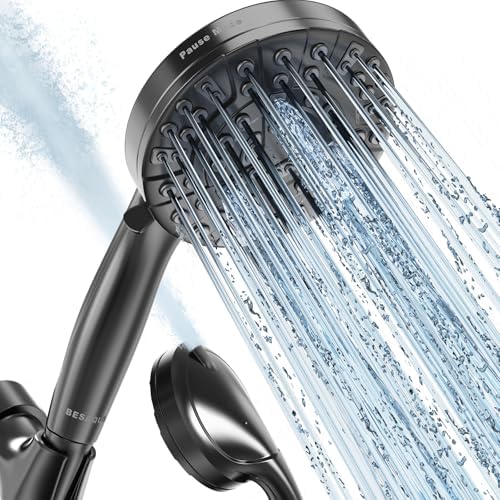
Editor's Pick
BESAQUO 10-Function High-Pressure Shower Head
Ten spray modes, true high-pressure performance even on low-flow homes, and tool-less install in under 5 minutes.
$24.99
Check Price on Amazon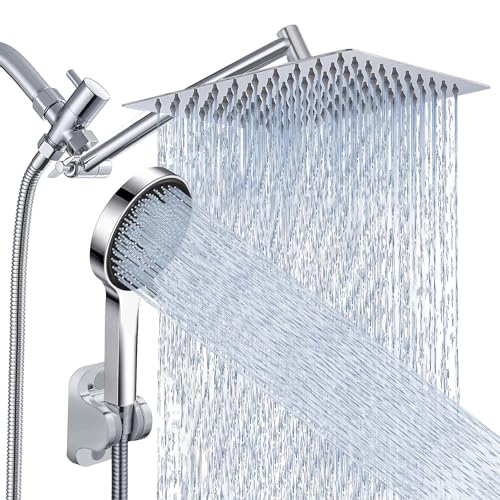
Best Combo
Rain Shower Head with Handheld Spray Combo
Fixed rainfall + handheld in one unit; the dual-shower setup most renovators wish they had.
$38.99
Check Price on Amazon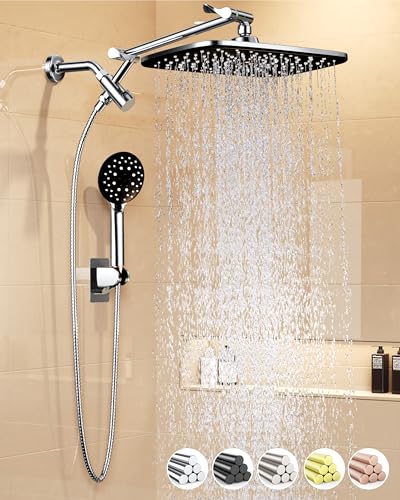
Premium Choice
Veken 11.8" Rainfall Shower Head with Handheld
Oversized 11.8-inch rainfall plate plus handheld, full spa coverage if your ceiling height allows.
$45.99
Check Price on AmazonHow many GPM should a shower head be?
By federal law, shower heads sold in the US are capped at 2.5 gallons per minute, and most modern heads run at 1.8 to 2.5 GPM.
Do more expensive shower heads work better?
Not necessarily.
Frequently Asked Questions
How many GPM should a shower head be?
By federal law, shower heads sold in the US are capped at 2.5 gallons per minute, and most modern heads run at 1.8 to 2.5 GPM. If you have strong water pressure and want noticeable water savings, a 1.8 GPM WaterSense model is a smart choice. If your home has weak pressure, stay closer to the full 2.5 GPM so the spray still feels firm. For a deeper look at the trade-offs, see our shower head flow rate guide.
Do more expensive shower heads work better?
Not necessarily. How a shower feels comes from nozzle design and how the head concentrates water, not the price tag. Plenty of heads under $30 deliver a firm, satisfying spray. What extra money usually buys is a solid-brass body instead of chrome-plated plastic, a recognized brand with real warranty support, and convenience features like a magnetic dock. Those are worth paying for if you value durability and brand backing, but they do not make the water itself better.
Will a new shower head increase my water pressure?
A new head cannot create pressure your plumbing does not supply, but it can make a weak shower feel much stronger. Heads marketed as high-pressure use smaller, more focused nozzle openings that speed up the water, so the spray feels firmer even at the same flow rate. If your shower stays weak, also remove and clean the head, since mineral scale clogging the nozzles is the most common cause of a sudden drop in pressure.
Do you need a plumber to install a shower head?
No. Nearly every head threads onto a standard 1/2-inch shower arm by hand. Unscrew the old head counterclockwise, wrap a few turns of plumber's tape clockwise around the arm threads to prevent leaks, then screw the new head on hand-tight. The whole job takes about five minutes and needs no tools beyond maybe a cloth for grip.
How long does a shower head last?
With regular cleaning, a decent shower head lasts several years, and a solid-brass model can run a decade or more. Most heads die early from mineral clogging, which a monthly vinegar soak prevents. When the spray weakens, the finish flakes, or the head keeps dripping after you shut off the water and a new washer does not fix it, replace it.
Verdict
Choosing a shower head comes down to a few honest questions, not a spec sheet. Check your water pressure first, since it decides whether a wide rainfall head feels glorious or limp. Then choose the flexibility of a handheld or the simplicity of a fixed head. Pick a flow rate that balances your pressure against your water bill, match the finish to your existing fixtures, and pay up for solid brass or a premium brand only when longevity and warranty matter to you. Treat the number of spray modes as a tiebreaker, never a deciding factor. Round out the shower while you are at it: dry off in a premium bath towel, mount a shower soap dispenser within reach, and corral your bottles in a shower storage caddy. A towel warmer hands you a warm towel on the way out, and a fog-free bathroom mirror finishes the upgrade.
Do that, and most well-reviewed heads in your chosen category serve you for years, especially with a monthly vinegar soak to keep the nozzles clear. The costliest mistakes here rarely come from the brand on the box. They come from ignoring your own water, picking a finish that clashes with your fixtures, or paying for features you never use. Get the basics right and a shower head turns into what it should be: a small, cheap upgrade you stop thinking about because it works.